Diese Seite wird noch erstellt.
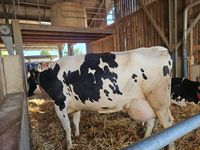
1- Feed additives for cattle – types, purposes, and effects. How can cattle nutrition be supplemented?
-Modern cattle farming presents farmers with many challenges. On the one hand, achieving the highest possible production efficiency (whether for meat or milk) is a priority. On the other hand, they must not overlook or neglect the health, physical condition, and general well-being of these livestock.
As you might expect, nutrition—and specifically feed additives for cattle—is a key element in this overall context. These additives are designed to supplement the diet with nutrients essential for development and for maintaining strength and health. What should you know about feed additives for breeding cattle? Find out more about their purpose, types, and applications.
2-What are feed additives for cattle, and what role do they play in modern farming operations?
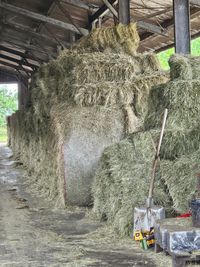
These are specialized substances added to the base feed (farm-grown forage) to enhance its specific properties. The primary goal is, of course, to raise a healthy herd with high productivity (whether for meat or milk). In doing so, consideration is given not only to the animals' nutritional needs and the purpose of their rearing but also to the specific structure of the ruminant digestive system.
Properly selected and appropriately dosed feed additives can actually determine the efficiency and success of production. Their functions include improving digestive processes, facilitating nutrient absorption, and strengthening the cattle's resilience.
3- Classification of feed additives used in cattle feeding
According to regulations, they can be categorized into several main groups, each with its own specific purpose and function:
• Technological additives – improving the physical properties of feed.
• Sensory additives – modifying taste and odor.
• Dietary additives – addressing vitamin and mineral deficiencies (supplementation).
• Zootechnical additives – enhancing production performance.
In the following section, we focus on a discussion of specific substances.
4 – Mineral and vitamin supplements
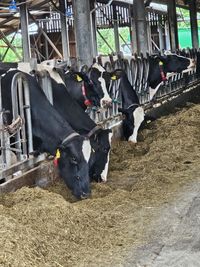
A balanced supply of macro- and micro-elements forms the foundation of cattle health. Calcium and phosphorus deserve special attention, as they are directly responsible for bone formation and milk production (making supplementation crucial for dairy cows, particularly during the perinatal period). Magnesium plays a role in preventing grass tetany, while selenium and vitamin E strengthen the cattle's immune system.
5- Buffers and pH regulators
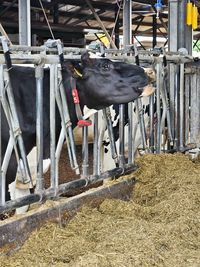
Maintaining the correct pH level is also crucial for the health of these animals, as it reduces the risk of rumen acidosis. In this regard, buffer additives—such as sodium bicarbonate, magnesium oxide, and bentonite—help to effectively stabilize the rumen environment. Another positive side effect of using these additives is the prevention of issues such as lameness, reduced milk fat content, or fertility problems.
6-Protein supplements and nitrogen compounds
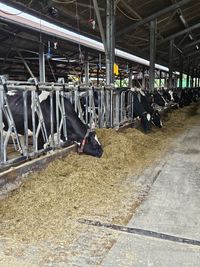
This is another additive that is indispensable for keeping dairy cows. These animals require a great deal of protein, which naturally necessitates supplementation.
7-Energy supplements
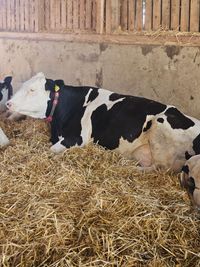
The principle of cattle farming is simple. High production efficiency—whether for meat or milk—requires high-performance cows with increased energy (caloric) needs. "Protected fats" are well-suited for this purpose, as they provide a concentrated source of energy (bypassing the rumen without interfering with ruminal fermentation). However, their use does more than just improve the energy balance; it also increases milk fat content and supports cattle fertility.
Important: They should be introduced gradually to allow the animal's system to adapt.
8- Probiotics, Prebiotics, and Synbiotics
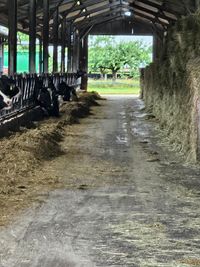
Cattle microflora is another area requiring special attention. After all, this is where most potential health and condition issues originate—and precisely where they can be addressed.
• Probiotics (live microorganisms) – improve fiber digestion and increase microbial protein synthesis.
• Prebiotics (food for beneficial bacteria) – support their development, activity, and overall condition.
• Synbiotics – a combination of probiotics and prebiotics that creates a synergistic effect. They are particularly well-suited for the nutrition of young animals, supporting the development of microflora in the digestive tract. They are also recommended for cows during the transition period.
9- Feed enzymes
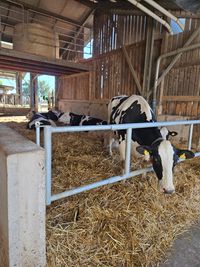
This group includes, among others, cellulases, amylases, and phytases. These enzymes serve to support nutrient digestion (thereby improving production performance), including by increasing the availability of energy, proteins, and phosphorus. Their effect is invaluable, particularly when using lower-quality feed.
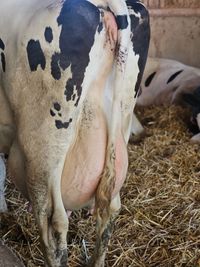
10 – Herbs and Plant Extracts
What about natural feed additives? These are becoming increasingly popular—including in cattle nutrition. Examples in this category include garlic (which has antibacterial and antiparasitic properties), oregano and thyme (which combat pathogens), fenugreek (which stimulates appetite and boosts milk production), and milk thistle (which protects the animals' livers).
Such Phyto biotics come in various forms—such as dried herbs, essential oils, and conventional extracts. They can prove to be a natural and equally effective alternative to conventional antibiotics.
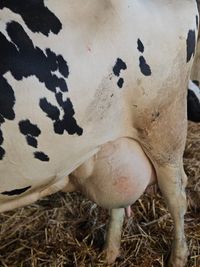
11- How do you tailor them to the livestock's needs?
Selecting the right feed additives depends on many factors. You should consider the following: the animals' age, the type of housing, and their current production stage. Your analysis must go beyond simply determining "what to administer and in what quantities." The origin of the additives themselves is equally important. Therefore, evaluate the product's quality and stability, as well as the manufacturer's reputation, and assess the value for money. Certifications, standards, and test results can all be helpful in this regard.
If you are unsure or lack experience, remember that it is always worthwhile to consult nutritionists and veterinarians.
What else should be considered? Naturally, young cows (calves) have different needs than cows in the lactation phase, and these differ again from cattle raised for meat production.
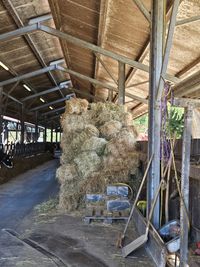
12- Feed additives for dairy cows
Additives alone cannot replace a balanced diet. Therefore, a balanced basic diet should be ensured first and then supplemented with suitable additives.
• Support for metabolism and the immune system (especially during the transition period) – protected choline, niacin, and vitamin E (with selenium).
• Improvement of milk composition and production performance – protected fats and mineral-vitamin supplements.
• Support for reproductive functions – beta-carotene and minerals in organic form.
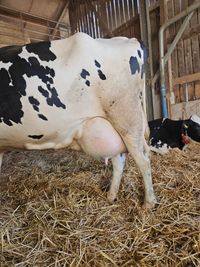
13 – Additives for beef cattle
Beef cattle have requirements that differ somewhat from those of dairy cows. Here, too, the composition and quantity of the base feed play a crucial role, with additives serving merely as a supplement. When selecting feed additives, it is also important to ensure that their use (which entails higher costs) is justified by the resulting production efficiency.
• Growth and muscle mass development – zinc, chromium, and proteins.
• Improvement of meat quality (including shelf life and flavor) – vitamin E and selenium.
14- Nutritional supplementation for calves and young cattle
The youngest animals definitely require special nutritional support. Proper supplementation—right from the start—has a tangible impact on the animals' future health, condition, and performance.
• Fat emulsifiers, acidifiers, probiotics, and immunoglobulins, as well as vitamins and trace elements, help support the digestive and immune systems of calves.
• Support for natural defense mechanisms—beta-glucans.
In addition, additives that minimize stress play an important role during transport and the isolation phase.
15- Are you looking for proven products to enrich your cows' diet?
Nanoferenzfactory offers a full range of feed additives for cattle farming—suitable for small, medium, and large operations. Explore our product line to find high-quality ingredients that promote cattle health and productivity, regardless of the intended use. For more information, please visit our company blog.

First Week
Bitte besuchen Sie diese Seite bald wieder. Vielen Dank für ihr Interesse!
