Sulfur
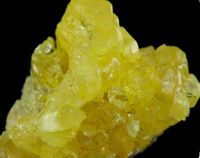
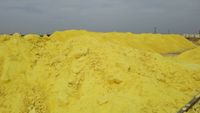
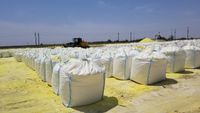
Sulfur from Torkamanestan
Sulfur is a chemical element from the group of non-metals. It is one of the essential trace elements and is in the VI. Find the main group of the periodic table. In the earth's crust, sulfur occurs in both pure and bound forms, such as sulfide or sulfate. Large natural deposits are found primarily in volcanically active regions, in hot springs and geysers. Sulfur is also a component of numerous stones and minerals.
Sulfur can also be found in the metabolism of humans, animals and plants and takes on vital functions:
It is a component of sulfur-containing amino acids such as methionine and cysteine, enzymes such as coenzyme A and vitamins such as thiamine (vitamin B1). In addition, sulfur is involved in detoxification processes in the liver and supports the development of skin, hair, nails and connective tissue. Sulfur compounds also play a role in the immune system and in the regulation of inflammatory processes.
Plants absorb sulfur from the soil in the form of sulfate through their roots. They also use sulfur compounds to ward off predators. Plants from the cruciferous family, such as broccoli, kale and rapeseed, are particularly rich in sulfur.

Natural raw materials of the highest quality
We source our raw materials exclusively from selected certified suppliers with a certificate of origin. This means that all plants are grown on tested soils in compliance with species protection regulations or come from documented wild collections. By documenting the growth process and harvest protocols, we are responsible partners
informed about the consistently high quality of our raw materials. Whenever possible, we source our raw materials from regional partners.
How do you recognize a Sulfur state?
In homeopathy, Sulfur is often used when other remedies do not have the desired effect - especially in the case of recurring complaints or when illnesses have been "delayed" in order to make the sick body receptive to treatment again. With such a comprehensive drug picture, it is particularly important to know the characteristic key symptoms.
Symptoms associated with heat, burning and itching are typical for Sulfur, especially at night in bed. People who need Sulfur often appear physically sluggish, tend to be untidy, have skin problems and are sensitive to heat. Typically, a queasy stomach feeling like a “hole in the stomach” occurs around 11 a.m. Sulfur people like to drink cold drinks. They are at loggerheads when it comes to water for personal hygiene. Skin contact with water can actually make existing symptoms worse. Sulfur people's secretions and sweat often smell unpleasantly like rotten eggs. Although their own personal hygiene is often neglected, they are sensitive to bad smells from others.
Sulfur – food for the world
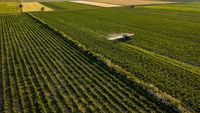
By 2050, food demand will double due to global population growth and increasing calorie consumption. To achieve and sustain the food production necessary for this growth, global agriculture must significantly increase crop yields. The nutrients nitrogen (N), phosphorus (P) and potassium (K) are known to many, but few know the importance and value of sulfur as an agricultural input. Targeted use of sulfur on low-sulphur soils is a cost-effective way to produce more food and feed.
The Sulfur Institute has conducted field trials in India, where rice is an important staple food for over a billion people. The research results show that the per capita supply can be increased by 20 percent through sulfur fertilization. In the North American Corn Belt, university studies show that sulfur fertilization increases corn yields by at least 11 percent.

Sulfur – Revitalizes poor quality soils
Urbanization, industrialization and the need for food increase the pressure on the world's arable land every year. With rapid population growth, an additional 2.5 billion people will be added over the next 40 years, and within the next 15 years over 60% of the world's population will live in large cities. Sulfur can be used to resultative marginal land and slow cropland loss.
Sulfur improves the root environment of plants and ensures optimal growth conditions in alkaline soils - from the western USA to Brazil and Asia to Africa. By improving the root environment and thereby promoting a more favorable environment, plant growth and thus food production can be significantly increased.


Our branch managers in
Team Leader
Hesam Yazdanparast
Email: he.yazdanparast@nff37.com
Emirat , East ,West Asian and Aferika :
Hassan Jafarzadeh
Email: ha.jafarzadeh@nff37.com
Tel: 00971 526 406 367
USA
Sam Javan
Email: sa.javan@nff37.com
Phone: 001 210 917 4690
Sohil Khamisi
sol.khamisi@nff37.com
